Wednesday, January 10, 2007

Rif Rosh HaShana 11a {Rosh haShana 34a continues}


HIDE/SHOW IMAGE
11a

{Rosh haShana 34a continues}
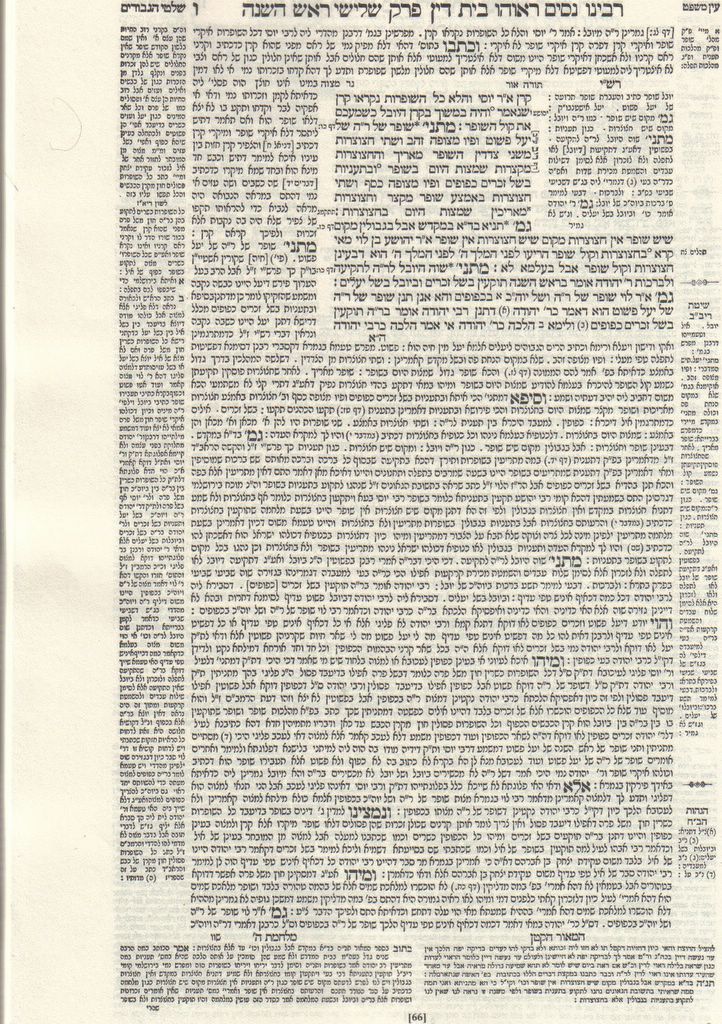
{of Malchuyot, Zichronot and Shofarot} do not hold back the tekiot {from being fulfilled}, behold they have already fulfilled their obligation with those they blew when they were seated, and it is sufficient to blow tekiah shevarim teruah tekiah, tekiah shevarim tekiah, tekiah teruah tekiah on the order of the blessing one time so as not to burden the congregation. And so is the custom in the entire world and in the two yeshivot.

They asked before the Resh Mesivta: If one blessed on the day of Rosh haShana on the blowing of the Shofar after the sefer Torah {that is, those wihle seated} and he spoke {והשיח -- Bach emends to והסיח ודבר -- and he diverted his mind and he spoke}, does he needs to bless on the tekiot on the order of the blessings {of Malchuyot, Zichronot, Shofarot} or not?
And he responded to them as follows: The Sages see that we rebuke one who speaks before they blew on the order of the blessings; however, to repeat the blessings, he does not repeat. And it is not similar to tefillin which Rav Chisda said one who speaks between tefillah {shel rosh} and tefilla {shel yad} repeats the blessing, for these are two mitzvot, for they learnt {tnan}: The tefillah shel yad is not a prerequisite for the shel rosh and the shel rosh is not a prerequisite for the shel yad.
And not only that, but he does not bless the first blessing {of lehaniach tefillin}, but rather he blesses a different blessing {of al mitzvat tefillin}.
For we ask {there}: This implies that if he did spoke, yes; if he did not speak, no! But Rav Chiyya bar {Rav} Huna sent in the name of Rabbi Yochanan {from Eretz Yisrael to Bavel}: On the tefillah shel yad he says lehaniach tefillin and on the shel rosh he says al mitzvat tefillin.
And we resolve: Abaye and Rava both say that if he did not speak, he blesses one, and if he spoke he blesses two.
And even so, it is difficult {=not good} to speak, for they learnt {in a brayta}: If one spoke between tefillah {shel yad} and tefillah {shel rosh} it is a sin in his hand and he returns because of it from those arrayed in battle. And certainly one who speaks between the tekiot of sitting and the tekiot of standing; however, he does not repeat the blessing, for it is one mitzvah -- Go out and see, for behold, there is the Hallel upon which they bless before its reading, and even so, between one perek and the next perek, he may interrupt and is not required to repeat the blessing.

"If he blew the first tekiah {of the set} normally and extended the second one {tekiah, at the end of the set} like two, he only has one in hand {and must blow another tekiah for the beginning of the next set}":

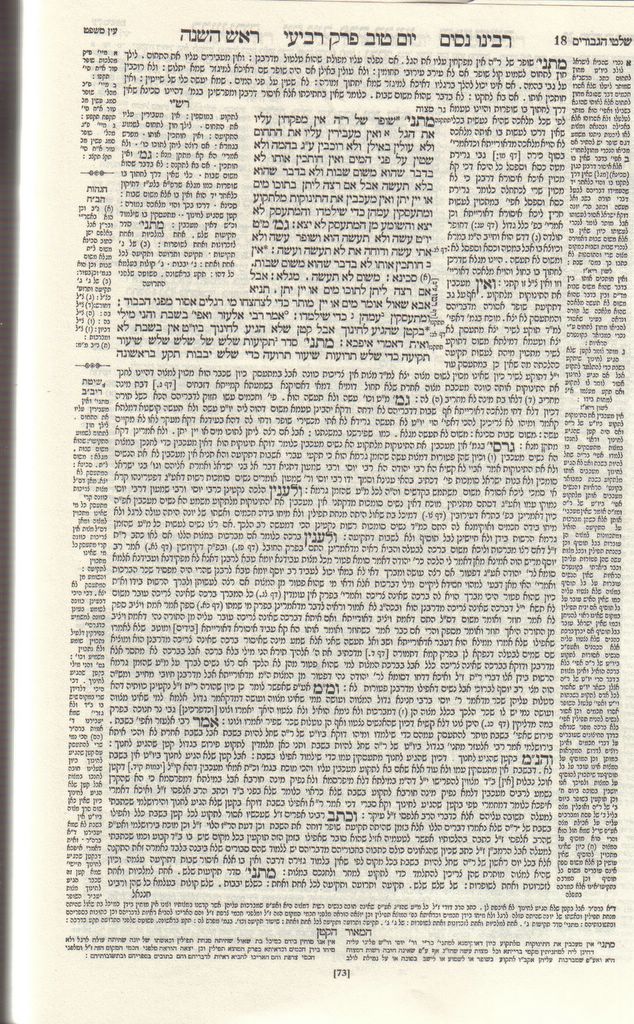
Rif Rosh HaShana 10b {Rosh haShana 34a continues}


HIDE/SHOW IMAGE
10b

{Rosh haShana 34a continues}
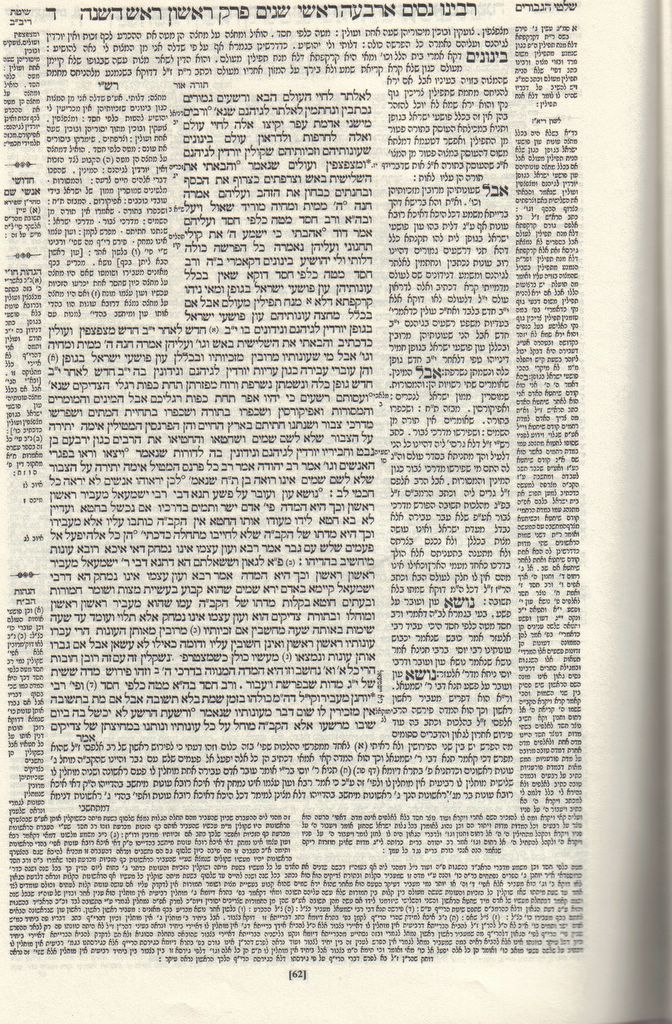
What is your will {mah nafshach}? If a protracted groan {is meant by yevava = teruah} then a teruah should be made and a shevarim should not be made. If it means a "short wail," then a shevarim should be made and a teruah should not be made! {Answer:} It was a doubt to him whether it was a short wail or a protracted groan.
Rav Avira objected: And perhaps it was a short wail and the terua comes and separates between the tekia {at the end} and the three shevarim!
Thereupon he {R' Avira} made another set - a tekiah, three shevarim, and a tekia.
Ravina objected: And perhaps it was a protracted groan, and the shevarim come and separate between the tekia and the teruah!
Thereupon he {Ravina} made another set - a tekiah, a teruah, and a tekiah.

If so, that of Rabbi Abahu, why do I need? Perhaps it was first a short wail and then a protracted groan.

If so, the reverse also! Perhaps it was a protracted groan followed by a short wail?
The standard person, when a bad thing happens to him, first wails and then groans.

Thus it is now the case that we blow tekiah shevarim teruah tekiah three times, and we blow tekiah shevarim tekiah three times, and we blow tekiah teruah tekiah three times.

And the nation is accustomed to blow them while they are seated and bless upon them the bracha of blowing; and because the congregation are required to hear the tekiot on the order of the blessings {of Malchuyot, Zichronot and Shofarot}, we therefore repeat and blow on the order of the blessings tekiah shevarim teruah tekiah one time, and tekiah shevarim tekiah one time, and tekiah teruah tekiah one time.

And it is logical that they should blow them on the order of the blessings like the order that they blew while seated {that is, tashrat tashat tarat by Malchuyot, tashrat tashat tarat by Zichronot, and tashrat tashat tarat by Shofarot}; however, since the blessings

Sunday, January 07, 2007

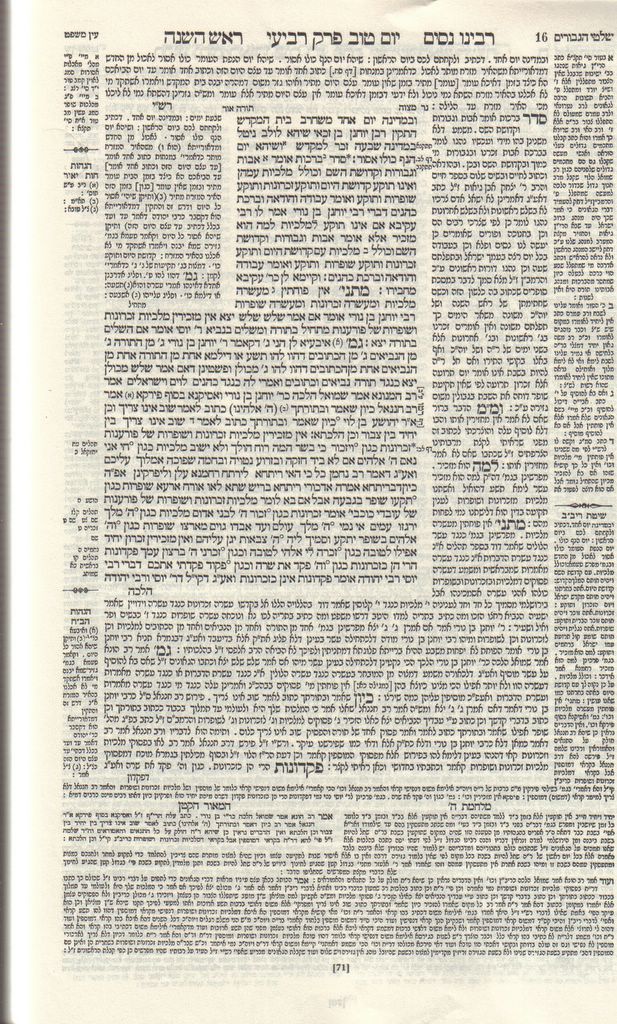
Rif Rosh HaShana 10a {Rosh haShana 33b continues; 34a}


HIDE/SHOW IMAGE
10a

{Rosh haShana 33b, Mishna, continues}
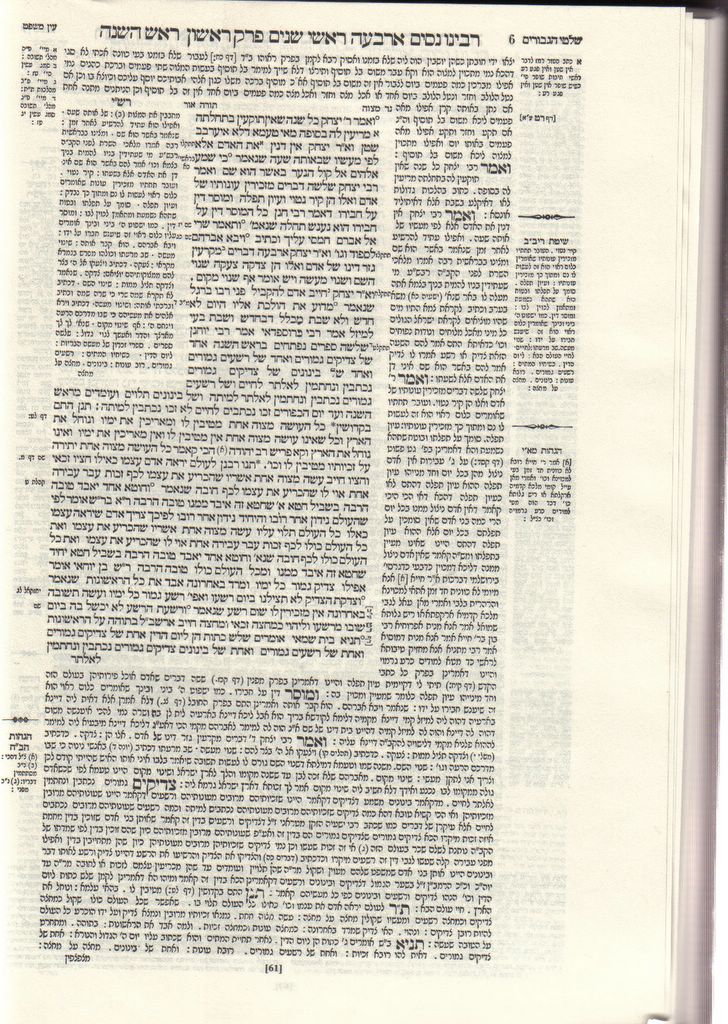
If he blew the first tekiah {of the first set} and prolonged the second tekiah {at the end of the first set, such that it was as long as two tekiot}, he only has in hand {of that long tekiah} one {rather than two - that is, he needs to blow another tekiah to begin the second set}.

One who has already blessed {Mussaf} and only then gets ahold of a shofar should blow tekiah teruah tekiah 3 times. Just as the shliach tzibur {agent of the congregation} is obligated, so is every individual obligated.
Rabban Gamliel says: The shliach tzibbur is motzi the public their obligation {acting on their behalf}.

Gemara:
The measure of a tekiah is three teruot? But they learnt {in a brayta}: The measure of a tekiah is equal to a teruah!

{Note: There are multiple ways to explain the following. Read through the Rishonim and Acharonim on the matter. This follows Rambam.}
Abaye said: {Assume, based on this girsa, that a teruah blowing, which is between the tekiot, is twice as long as 1 tekia. Therefore:} Our Tanna {of the Mishna} is reckoning the tekiot of all the sets against the teruot of all the sets. {Therefore, in total, there are 6 tekiahs and 3 teruot, and so they are equal.} The Tanna of the brayta is reckoning those of a single set {such that one teruah is against two tekiot, such that they are equal} and they don't argue.

"The measure of a teruah is three moans {yabevot}":
But they learnt {in a brayta}: The measure of a teruah is three broken {stoccato} tones {shevarim}!
Abaye said: In this they certainly argue. For it is written {Bemidbar 29:1}:

א וּבַחֹדֶשׁ הַשְּׁבִיעִי בְּאֶחָד לַחֹדֶשׁ, מִקְרָא-קֹדֶשׁ יִהְיֶה לָכֶם--כָּל-מְלֶאכֶת עֲבֹדָה, לֹא תַעֲשׂוּ: יוֹם תְּרוּעָה, יִהְיֶה לָכֶם. 1 And in the seventh month, on the first day of the month, ye shall have a holy convocation: ye shall do no manner of servile work; it is a day of blowing the horn unto you.
which is translated {in targum} - it is a day of יבבא unto you.
And we learn from the mother of Sisra {Shoftim 5:28}:
כח בְּעַד {ר} הַחַלּוֹן נִשְׁקְפָה וַתְּיַבֵּב אֵם סִיסְרָא, בְּעַד הָאֶשְׁנָב: {ס} מַדּוּעַ, בֹּשֵׁשׁ רִכְבּוֹ {ר} לָבוֹא-- {ס} מַדּוּעַ אֶחֱרוּ, פַּעֲמֵי מַרְכְּבוֹתָיו. {ס} 28 Through the window she looked forth, and peered, the mother of Sisera, through the lattice: 'Why is his chariot so long in coming? Why tarry the wheels of his chariots?
{but ותיבב is translated as some sort of wailing, rather than peering.}

One holds she made a protracted groan and one other holds she sobbed {a series of short sobs}.

The Sages learnt {in a brayta}: From where do we know that it must be with a shofar? Therefore it informs us {Vayikra 25:9}:
ח וְסָפַרְתָּ לְךָ, שֶׁבַע שַׁבְּתֹת שָׁנִים--שֶׁבַע שָׁנִים, שֶׁבַע פְּעָמִים; וְהָיוּ לְךָ, יְמֵי שֶׁבַע שַׁבְּתֹת הַשָּׁנִים, תֵּשַׁע וְאַרְבָּעִים, שָׁנָה. 8 And thou shalt number seven sabbaths of years unto thee, seven times seven years; and there shall be unto thee the days of seven sabbaths of years, even forty and nine years.
ט וְהַעֲבַרְתָּ שׁוֹפַר תְּרוּעָה, בַּחֹדֶשׁ הַשְּׁבִעִי, בֶּעָשׂוֹר, לַחֹדֶשׁ; בְּיוֹם, הַכִּפֻּרִים, תַּעֲבִירוּ שׁוֹפָר, בְּכָל-אַרְצְכֶם. 9 Then shalt thou make proclamation with the blast of the horn on the tenth day of the seventh month; in the day of atonement shall ye make proclamation with the horn throughout all your land.
I only have that this is true by Yovel {for that is the context in the pesukim}. On Rosh haShana, from where? Therefore it informs בַּחֹדֶשׁ הַשְּׁבִעִי, for בַּחֹדֶשׁ הַשְּׁבִעִי teaches us nothing {for we already know from elsewhere on what month Yom Kippur falls}. What does בַּחֹדֶשׁ הַשְּׁבִעִי teach us? That all teruot of the seventh month shall be like this one. And how do we know that there is a peshuta {=a straight, flat sound = tekiah} before it? Therefore it informs us וְהַעֲבַרְתָּ. And how do we know that there is a peshuta after it? Therefore it teaches us {later in the same pasuk} תַּעֲבִירוּ. And this is only on Yovel. Rosh Hashana, from where? Therefore it teaches בַּחֹדֶשׁ הַשְּׁבִעִי.
{Rosh haShana 34a|
For there is no purpose in teaching בַּחֹדֶשׁ הַשְּׁבִעִי {since we know what month Yom Kippur is}. And thus what is it teaching with בַּחֹדֶשׁ הַשְּׁבִעִי? That all the teruot of the seventh month are like this. And how do we know that there should be three sets of three each? Therefore it teaches us:
{Vayikra 25:9}: וְהַעֲבַרְתָּ שׁוֹפַר תְּרוּעָה
{Vayikra 23:24}:
כד דַּבֵּר אֶל-בְּנֵי יִשְׂרָאֵל, לֵאמֹר: בַּחֹדֶשׁ הַשְּׁבִיעִי בְּאֶחָד לַחֹדֶשׁ, יִהְיֶה לָכֶם שַׁבָּתוֹן--זִכְרוֹן תְּרוּעָה, מִקְרָא-קֹדֶשׁ. 24 Speak unto the children of Israel, saying: In the seventh month, in the first day of the month, shall be a solemn rest unto you, a memorial proclaimed with the blast of horns, a holy convocation.

{Bemidbar 29:1}:
א וּבַחֹדֶשׁ הַשְּׁבִיעִי בְּאֶחָד לַחֹדֶשׁ, מִקְרָא-קֹדֶשׁ יִהְיֶה לָכֶם--כָּל-מְלֶאכֶת עֲבֹדָה, לֹא תַעֲשׂוּ: יוֹם תְּרוּעָה, יִהְיֶה לָכֶם. 1 And in the seventh month, on the first day of the month, ye shall have a holy convocation: ye shall do no manner of servile work; it is a day of blowing the horn unto you.

And from where do we know to apply that which was stated here to there and what was stated there to here {since two were written regarding Rosh haShana and one regarding Yovel}?
Therefore it teaches שְּׁבִיעִי - שְּׁבִיעִי for a gezera shava.
How so? Three {sets} which are nine {blasts}. The measure of tekiah is equal to that of teruah. The measure of teruah is like three shevarim.

Rabbi Abahu enacted in Caesaria {to blow} tekiah, three shevarim, teruah, tekiah.

Rif Rosh HaShana 9b {Rosh haShana 32b continues; 33b}


HIDE/SHOW IMAGE

9b

{Rosh haShana 32b continues}
Mishna: The shofar of Rosh haShana, we do not remove from upon it a heap of stones, nor do we pass beyond the techum, nor do we climb a tree, nor do we ride upon an animal, nor do we swim upon the waters, nor do we cut it with anything prohibited because of shevut {Rabbinic prohibition} nor with anything covered by Biblical prohibition.
But, if he wishes to place within it water or wine, he may place.
And we do not hold back the children from blowing {the shofar}, and {on the contrary} we occupy ourselves with them such that they learn. But one who {merely} occupies himself with it {, blowing it to teach} does not fulfill, and one who hears from one who is merely occupying himself with it does not fulfill.

Gemara:
What is the reason {that these various prohibitions are not superceded by the commandment to blow shofar}?
Yom Tov is a positive commandment and a negative commandment, while shofar is {only} a positive commandment, and a positive commandment does not come and push off a negative and positive commandment.

"nor do we cut it with anything prohibited because of shevut {Rabbinic prohibition}":
a knife. {sakin}.

"nor with anything covered by Biblical prohibition":
A saw.

"But, if he wishes to place within it water or wine, he may place":
They learnt {in a brayta}: Abba Shaul says: Water or wine is permitted, in order to make its sound clear. Urine is forbidden because of the honor {due it}.

"and we occupy ourselves with them such that they learn":
Rabbi Eleazar said: And even on Shabbat.
And these words are by a minor who has reached {the age of} chinuch {instructing}, but a minor who has not reached the age of chinuch -- on Yom Tov, yes, and on Shabbat, no.
And some say the opposite {in terms of minors who have not, or who have, reached chinuch}.

{Rosh haShana 33b}
Mishna:
The order or blowing is three sets of three each.
The measure of a tekiah is equal to that of three teruot.
The measure of a teruah is equal to that of three moans "yabavot}.

Rif Rosh HaShana 9a {Rosh haShana 32b continues}


HIDE/SHOW IMAGE
9a

{Rosh haShana 32b continues}
the halacha is like Rabbi Yossi, here the world conducts itself in accordance with Rabbi Yehuda {and does not say Pikdonot}.

"He begins in Torah and ends in Navi; Rabbi Yossi said: If he finished in Torah, he fulfilled":
And we answered: This is what it means to say: He begins with Torah and finishes with Navi. Rabbi Yossi says: He finishes with Torah -- and if he finished with Navi, he fulfilled.

And we establish like Rabbi Yossi.

They learnt {in a brayta}: Rabbi Eleazar beRabbi Yossi said: The Vatikin {a scholarly family of Babylonian descent favored by Herod; but see Rashi and Talmidei Rabbenu Yonah} would finish{out the tenth} with Torah.

This is fine for Zichronot and Shofarot -- there are many such {pesukim, such that we can find a tenth}. But Malchuyot, there are only three! That is, {Bemidbar 23:21}:

כא לֹא-הִבִּיט אָוֶן בְּיַעֲקֹב, וְלֹא-רָאָה עָמָל בְּיִשְׂרָאֵל; ה אֱלֹקָיו עִמּוֹ, וּתְרוּעַת מֶלֶךְ בּוֹ. 21 None hath beheld iniquity in Jacob, neither hath one seen perverseness in Israel; the LORD his God is with him, and the shouting for the King is among them.
{Devarim 33:5}:
ה וַיְהִי בִישֻׁרוּן, מֶלֶךְ, בְּהִתְאַסֵּף רָאשֵׁי עָם, יַחַד שִׁבְטֵי יִשְׂרָאֵל. 5 And there was a king in Jeshurun, when the heads of the people were gathered, all the tribes of Israel together.
{Shemot 15:18}:
יח ה יִמְלֹךְ, לְעֹלָם וָעֶד.
18 The LORD shall reign for ever and ever.
And we need ten, and there are not!
Rav Huna said: One taught {tna}: {Devarim 6:4}:
ד שְׁמַע, יִשְׂרָאֵל: ה אֱלֹקֵינוּ, ה אֶחָד. 4 Hear, O Israel: the LORD our God, the LORD is one.
This is complete kingship. These are the words of Rabbi Yossi. Rabbi Yehuda says: This is not kingship.

{Devarim 4:39}
לט וְיָדַעְתָּ הַיּוֹם, וַהֲשֵׁבֹתָ אֶל-לְבָבֶךָ, כִּי ה הוּא הָאֱלֹקים, בַּשָּׁמַיִם מִמַּעַל וְעַל-הָאָרֶץ מִתָּחַת: אֵין, עוֹד. 39 know this day, and lay it to thy heart, that the LORD, He is God in heaven above and upon the earth beneath; there is none else.

and {Devarim 4:35}:
לה אַתָּה הָרְאֵתָ לָדַעַת, כִּי ה הוּא הָאֱלֹקים: אֵין עוֹד, מִלְּבַדּוֹ. 35 Unto thee it was shown, that thou mightiest know that the LORD, He is God; there is none else beside Him.
are kingship - These are the words of Rabbi Yossi.
Rabbi Yehuda says: They are not kingship.

And we establish like Rabbi Yossi.

Mishna:
The shliach tzibbur for Mussaf on the first day of Yom Tov of Rosh HaShanna is the one who blows {shofar}.
And when Hallel is said {on other Yamim Tovim}, the Hallel is read by the baal shacharit.

Gemara:
From the fact that it stated "when Hallel is said," we may deduce that we do not say Hallel on Rosh haShana.
What is the reason?
Like Rabbi Abahu. For Rabbi Abahu said: The ministering angels said before Hashem: Master of the World, why does Israel not say song {shira} before you on Rosh haShana and Yom Kippur?
He said to them: Is it possible that the King sits on the seat of judgement, and the books of the dead and the books of the living are opened before him, and Israel say song?

Thursday, January 04, 2007

Rif Rosh HaShana 8b {Rosh haShana 30a continues; 32a - 32b}


HIDE/SHOW IMAGE
8b

{Rosh haShana, Mishna, 30a continues}
and in the medina {see earlier for definition}, one day. Once the Temple was destroyed, Rabban Yochanan ben Zakkai established that lulav be taken in the medina seven {days} as a remembrance to the Temple, and {also established} that the day of the waving {of the omer offering} should be entirely forbidden {to eat chadash}.

{Rosh haShana 32a}
The order of the blessings {in Shemoneh Esrei}: He says Avot {=elokeinu veilokei avoteinu}, Gevurot {=ata gibor}, Kedushat Hashem {=ata kadosh} and he includes Malchuyot {kingship} with them, and he does not blow; the kudushat hayom and he blows; Zichronot {remembrances} and he blows; Shofarot and he blows; and he says the Avodah {=retzei} and Hodaah {=Modim} and birkat kohanim. These are the words of Rabbi Yochanan ben Nuri.
Rabbi Akiva said to him: If he does not blow during Malchuyot, why does he mention them? Rather, he says Avot, Gevurot, Kedushat Hashem, and he combines Malchuyot with Kedushat HaYom and blow; Zichronot and he blows; Shofarot and he blows. And he says Avodah {=retzei}, Hodaah {modim}, and birkat kohanim.

And we establish like Rabbi Akiva over his colleague.

Mishna:
We do not reduce from ten Malchuyot, from ten Zichronot, and from ten Shofarot.
Rabbi Yochanan ben Nuri says: If he says three each, he fulfilled.

We do not mention Malchuyot, Zichronot, or Shofarot of punishment.
We begin in Torah and end in Navi {rounding out the tenth}.
Rabbi Yossi said: If he ended in Torah, he fulfilled.

Gemara:
It was a question to us:
These "three" which Rabbi Yochanan ben Nuri said -- Three from Torah, three from Neviim, and three from Ketuvim, which are nine, or perhaps one from Torah, one from Navi, and one from Ketuvim, which are three in total from all of them?
And we resolve that if he said three from all of them {in total} he fulfilled -- parallel to Torah, Neviim, and Ketuvim; and some say parallel to Kohanim, Leviim, and Yisraelim.

Rav Hamnuna cited Shmuel: The halacha is like Rabbi Yochanan ben Nuri.

And we conclude, at the end of the perek: Rav Chananel said: Once he said ובתורתך כתוב לאמר {=and it is written in Your Torah}, he does not need any more.
And so did Rabbi Yehoshua ben Levi say: Once he said ובתורתך כתוב לאמר {=and it is written in Your Torah}, he does not need any more, whether individually or communally.
And so is the halacha.

{Rosh haShana 32b}
"We do not mention Malchuyot, Zichronot, or Shofarot of punishment":
Zichronot, such as {Tehillim 78:39}:

לט וַיִּזְכֹּר, כִּי-בָשָׂר הֵמָּה; רוּחַ הוֹלֵךְ, וְלֹא יָשׁוּב. 39 So He remembered that they were but flesh, a wind that passeth away, and cometh not again.
{even though in context this is a continuation of vehu rachum, and why Hashem will not punish us!}

Malchuyot, such as {Yechezkel 20:33}:
לג חַי-אָנִי, נְאֻם ה אלקים: אִם-לֹא בְּיָד חֲזָקָה וּבִזְרוֹעַ נְטוּיָה, וּבְחֵמָה שְׁפוּכָה--אֶמְלוֹךְ עֲלֵיכֶם. 33 As I live, saith the Lord GOD, surely with a mighty hand, and with an outstretched arm, and with fury poured out, will I be king over you;
{and it continues that Hashem will take us out of exile and reckon with us}
And even though Rav Nachman said {regarding this pasuk}: All of this anger, let the All-Merciful One be angry with us, and then take us out {of exile} - even so, since this was said in fury, it is not the way of the world to mention fury at the start of the year.

Shofarot, such as {Hoshea 5:8}
ח תִּקְעוּ שׁוֹפָר בַּגִּבְעָה, חֲצֹצְרָה בָּרָמָה; הָרִיעוּ בֵּית אָוֶן, אַחֲרֶיךָ בִּנְיָמִין. 8 Blow ye the horn in Gibeah, and the trumpet in Ramah; sound an alarm at Beth-aven: 'Behind thee, O Benjamin!'
{continuing: Ephraim shall be desolate in the day of rebuke...}
But if he comes to say Malchuyot, Zichronot, or Shofarot of punishment of idolators {ovdei kochavim, with possible work of censors here}, he may say.
Zichronot such as {Tehillim 137:7}
ז זְכֹר ה, לִבְנֵי אֱדוֹם-- אֵת, יוֹם יְרוּשָׁלִָם:
הָאֹמְרִים, עָרוּ עָרוּ-- עַד, הַיְסוֹד בָּהּ.
7 Remember, O LORD, against the children of Edom the day of Jerusalem; {N}
who said: 'Rase it, rase it, even to the foundation thereof.'
Malchuyot, such as {Tehillim 99:1}
א ה מָלָךְ, יִרְגְּזוּ עַמִּים; יֹשֵׁב כְּרוּבִים, תָּנוּט הָאָרֶץ. 1 The LORD reigneth; let the peoples tremble; He is enthroned upon the cherubim; let the earth quake.
or else {Tehillim 10:16}:
טז ה מֶלֶךְ, עוֹלָם וָעֶד; אָבְדוּ גוֹיִם, מֵאַרְצוֹ. 16 The LORD is King for ever and ever; the nations are perished out of His land.
Shofarot, such as {Zecharia 9:14}:
יד וַיהוָה עֲלֵיהֶם יֵרָאֶה, וְיָצָא כַבָּרָק חִצּוֹ; וַה אלקים בַּשּׁוֹפָר יִתְקָע, וְהָלַךְ בְּסַעֲרוֹת תֵּימָן. 14 And the LORD shall be seen over them, and His arrow shall go forth as the lightning; and the Lord GOD will blow the horn, and will go with whirlwinds of the south.
and juxtaposed to this is:
טו ה צְבָאוֹת, יָגֵן עֲלֵיהֶם, וְאָכְלוּ וְכָבְשׁוּ אַבְנֵי-קֶלַע, וְשָׁתוּ הָמוּ כְּמוֹ-יָיִן; וּמָלְאוּ, כַּמִּזְרָק--כְּזָוִיּוֹת, מִזְבֵּחַ. 15 The LORD of hosts will defend them; and they shall devour, and shall tread down the sling-stones; and they shall drink, and make a noise as through wine; and they shall be filled like the basins, like the corners of the altar.
We do not mention remembrance of an individual, even for good, such as {Nechemia 5:19}:
יט זָכְרָה-לִּי אֱלֹקַי, לְטוֹבָה--כֹּל אֲשֶׁר-עָשִׂיתִי, עַל-הָעָם הַזֶּה. {פ} 19 Remember unto me, O my God, for good, all that I have done for this people.

and {Tehillim 106:4}:
ד זָכְרֵנִי ה, בִּרְצוֹן עַמֶּךָ; פָּקְדֵנִי, בִּישׁוּעָתֶךָ. 4 Remember me, O LORD, when Thou favourest Thy people; O think of me at Thy salvation;
Pikdonot {"rememberings"} are like Zichronot, such as {Bereishit 21:1}
א וַה פָּקַד אֶת-שָׂרָה, כַּאֲשֶׁר אָמָר; וַיַּעַשׂ ה לְשָׂרָה, כַּאֲשֶׁר דִּבֵּר. 1 And the LORD remembered Sarah as He had said, and the LORD did unto Sarah as He had spoken.
{who is an individual! the gemara addresses this.}
and such as {Shemot 3:16}:
טז לֵךְ וְאָסַפְתָּ אֶת-זִקְנֵי יִשְׂרָאֵל, וְאָמַרְתָּ אֲלֵהֶם ה אֱלֹקֵי אֲבֹתֵיכֶם נִרְאָה אֵלַי, אֱלֹקֵי אַבְרָהָם יִצְחָק וְיַעֲקֹב, לֵאמֹר: פָּקֹד פָּקַדְתִּי אֶתְכֶם, וְאֶת-הֶעָשׂוּי לָכֶם בְּמִצְרָיִם. 16 Go, and gather the elders of Israel together, and say unto them: The LORD, the God of your fathers, the God of Abraham, of Isaac, and of Jacob, hath appeared unto me, saying: I have surely remembered you, and seen that which is done to you in Egypt.
These are the words of Rabbi Yossi. Rabbi Yehuda says: Pikdonot are not like Zichronot.

And even though we establish that {in case of dispute between} Rabbi Yossi and Rabbi Yehuda,

Rif Rosh haShana 8a {Rosh haShana 29a continues; 29b - 30a}


HIDE/SHOW IMAGE
8a

{Rosh haShana 29a continues}
"One who is half servant and half free man":
Rav Nachman said: He does not even cause himself to fulfill.
Ahava son of Rabbi Zera taught {tnei}: All blessings, even though he has already fulfilled, he may enable others to fulfill, except for the blessing on bread and the blessing on wine -- that if he has not already fulfilled, he may enable others to fulfill {by making it}, and if he has already fulfilled, he may not enable others to fulfill.

{Rosh haShana 29b}
Rechava inquired: The blessing on bread on matzah, which is hamotzi, and the blessing on wine of sanctification of the day, which is borei peri hagafen, what? {Are these brachot on the mitzvah or on the hanaah. If the former, he can make the blessing for others, and if the latter, he cannot.} Since it is an obligation, he can be motzi them, or perhaps the blessing is not an obligation.

And we conclude that even though he fulfilled he may be motzi others, for Rav Ashi said: When we were in the house of Rav Pappi, he made kiddush for us, and when his sharecropper, he would bless for him.

The Sages learnt {in a brayta}: A person may not break off a piece of bread {and say hamotzi} for guests unless he eats with them...

To explain: For if he does not eat with them, he has uttered the Name of Heaven in vain.

... but he may break off {and say hamotzi} for his sons and members of his household in order to educate them in mitzvot.

And for Hallel and megillah, even though he has already fulfilled, he can be motzi others.

END PEREK THREE - ra`uhu bet din
BEGIN PEREK FOUR

Mishna:
The Yom Tov of Rosh HaShana that fell out on Shabbat -- in the Temple they blew but not in the medina {whether this includes Yerushalayim or not is up for debate among Rishonim}.
When the Temple was destroyed, Rabban Yochanan ben Zakkai established that they should blow everywhere there was a bet din.
Rabbi Eliezer said: When Rabban Yochanan ben Zakkai established this, he only established it in Yavneh.
They said to him: Both Yavneh and anyplace which has a bet din.

Gemara:
"In the Temple they blew, but not in the medina":
What is the reason?
Rabba said: All are obligated in blowing of shofar, but not all are experts in blowing of shofar. This is a decree lest he take it in hand and travel to an expert, and carry it four cubits in the public domain. And this is the reason for lulav, and this is the reason for megillah.

{Rosh HaShana 30a}
"Once the Temple was destroyed":
Rav Huna said: And with bet din.
What is the implication of "and with bet din?" Before bet din, to exclude not before bet din, when one should not {blow}.

It was stated also {by Amoraim}:
Rabbi Chiyya bar Gamda cited Rabbi Yossi ben Shaul who cited Rabbi: They only blow during the time when bet din is in session.

Mishna:
Initially, in the Temple the lulav was taken seven {days}

Tuesday, January 02, 2007

Rif Rosh HaShana 7b {Rosh haShana 28a continues; 28b - 29a}


HIDE/SHOW IMAGE
7b

{Rosh haShana 28a continues}
Rava said: One who vows off benefit from his friend, it is permitted to blow for him a shofar for mitzvah. And one who vows off benefit from a shofar, it is permitted to blow for him a blast of mitzvah. And one who vows of benefit from a spring, it is permitted for him to immerse an immersion of mitzvah in the rainy season {where he derives no benefit since it is cold and wet anyway} but not in the sunny season.

{Rosh haShana 28b}
They learnt {in a brayta}: If the listener intended and the one who made the sound did not intend, or the one who made the sound did not intend but the listener did not intend {to fulfill his obligation}, he did not fulfill, until both the listener and he who made the sound intended.

{Rosh haShana 29a}
Rabbi Zera said to his attendant: Intend and blow for me.
Thus it is clear that he holds that the one who makes the sound also requires intent.
That is to say, even though he {=the blower} intents to fulfill his own obligation, his fellow who hears him does not fulfill his obligation until the blower intends to sound it for him.
And these words are by an individual. But by the shliach tzibbur {agent of the congregation}, since his intent is to the entire world, we do not require that he has this one in mind specifically. As we learnt {in the Mishna}: If he was passing behind the synagogue, or his house was close to the synagogue, and he heard the sound of the shofar or the sound of the megillah, if he directed his heart he fulfilled and if he did not direct his heart, he did not fulfill.

Mishna:
A deaf-mute, an imbecile, and a minor cannot make the public fulfill their obligation {by blowing}.
This is the general rule: Anyone who is not obligated in the matter cannot make the public fulfill their obligation.

Gemara:
The Sages learnt {in a brayta}: All are obligated in blowing of shofar -- Kohanim, Levites, Israelites, converts, freed servants, tumtum {one whose gender is unknown because flesh covers it over}, androgynous people {who have both signs}, and one who is half servant and half free. An androgynous person can enable another of his type {=an androgynous pperson} to fulfill their obligation, but not one another type. A tumtum {who thus might be a tumtum male a tumtum female - we have know way of knowing} cannot enable either his own type or another type {since the other tumtum might be the other type of tumtum}.

Rif Rosh HaShana 7a {Rosh haShana 27b continues; 28a}


HIDE/SHOW IMAGE
7a

{Rosh haShana 27b continues}
{see Bach's addition here}
If it was split along its length, it is invalid. Along its width {all around its circumference}, if there is left enough to made a tekiah it is valid, and if not, it is invalid.
And how much is enough to make a tekiah?
Rabban Gamliel explained: enough that he holds it in his hand and it is visible here and there {along its length}.

If its sound was thin, thick, or harsh, it is valid, for all sounds are valid for shofar.

They sent to the father of Shmuel: If they bored a hole in its zichrus {that is, a bone goes out of the animal and into the shofar. Usually, they remove it, but here they left the bone and just bored a hole in it}, it is valid, for something of its own kind does not constitute a separation.

Mishna:
If one blew {the shofar} into a pit, into a cistern, or into a vat, if the sound of the shofar is heard, he has fulfilled. But if he heard an indistinct sound {alternatively: of reverberation/ an echo}, he did not fulfill.

If he was passing behind the synagogue or if his house was close to the synagogue, and he heard the sound of the shofar or the sound of the megillah -- if he directed his heart {with intent to fulfill the mitzvah; or perhaps in order to pay proper attention (and that it is not the sound of a donkey), see Ran's comment, and the implication of the continuation in the gemara as cited by Rif is the former} he fulfilled, and if not, he did not fulfill. And even though this one heard and this one heard, this one who directed his heart fulfilled and this one did not direct his heart and did not fufill.

Gemara:
Rav Huna said: They only learned this about those standing at the edge of the pit {on the outside, while he blew into the pit}, but those standing inside the pit fulfilled.

{Rosh haShana 28a}
Rav Yehuda said: With a shofar of idolatry, one should not blow, and if he blew, he fulfilled, for commandments are not given for {our} benefit.

Rif Rosh HaShana 6b {Rosh haShana 26b continues; 27a - 27b}


HIDE/SHOW IMAGE
6b

{Rosh haShana 26b continues}
I would have said {that the halacha is like him} even by Yovel. Therefore it informs us {that it is not}.

{Rosh haShana 27a}
Mishna:
A shofar that has split and joined back together is invalid.
If he joined parts of shofars together, it is invalid.

{Rosh haShana 27b}
If it got a hole and he closed it up, if it {the hole} prevented the sound {of tekiah} it is invalid, and if not it is valid.

Gemara:
The Sages learnt {in a brayta}: If it was long and he shortened it, it is valid. If he scraped it and left only a very thin shell, it is valid. If he covered it with gold in the place he puts his moth, it is invalid. Not in the place he puts his mouth, it is valid. If he covered it with gold inside, it is invalid. Outside -- if it changes the sound from what it was before, it is invalid, and if not, it is valid. If he placed one shofar inside another and blows it, if the sound of the inner one is heard, he fulfilled, and if the sound of the outer one is heard, he did not fulfill.

The Sages learnt {in a brayta}: If he scraped it, whether inside or outside, it is valid. If he reversed it and blew it, he did not fulfill.
Rav Papa said: Do not say that he turned it inside out like a cloak, but rather he made the wide part short and the short part wide {Rashi: via heat}, he did not fulfill.
What is the reason?
Like Rav Matna, for Rav Matna said: {Vayikra 25:9}:

ט וְהַעֲבַרְתָּ שׁוֹפַר תְּרוּעָה, בַּחֹדֶשׁ הַשְּׁבִעִי, בֶּעָשׂוֹר, לַחֹדֶשׁ; בְּיוֹם, הַכִּפֻּרִים, תַּעֲבִירוּ שׁוֹפָר, בְּכָל-אַרְצְכֶם. 9 Then shalt thou make proclamation with the blast of the horn on the tenth day of the seventh month; in the day of atonement shall ye make proclamation with the horn throughout all your land.
the way that it was borne {by the living animal = its natural shape}.

"If he joined together pieces of shofar it is invalid":
[The Sages learnt {in a brayta}:] If he added anything to it, whether of its own kind or not of its own kind, it is invalid. If it got a hole and he closed it up, whether of its own kind or not of its own kind, it is invalid. Rabbi Natan says: With its own kind it is valid; with something not of its own kind, it is invalid.

With its own kind, it is valid -- Rabbi Yochanan said: And this is where its majority is left.
This implies that when it is not of its own kind, even if its majority is left, it is invalid.

Thursday, December 28, 2006

Rif Rosh haShana 6a {Rosh HaShana 26a ; 26b; 27a; 26b}


HIDE/SHOW IMAGE
6a

{Rosh HaShana 26a, Mishna, continues}
Rabbi Yossi says: And are not all shofars called horn {qeren}? For it is stated {Yehoshua 6:5}:

ה וְהָיָה בִּמְשֹׁךְ בְּקֶרֶן הַיּוֹבֵל, בשמעכם (כְּשָׁמְעֲכֶם) אֶת-קוֹל הַשּׁוֹפָר, יָרִיעוּ כָל-הָעָם, תְּרוּעָה גְדוֹלָה; וְנָפְלָה חוֹמַת הָעִיר, תַּחְתֶּיהָ, וְעָלוּ הָעָם, אִישׁ נֶגְדּוֹ. 5 And it shall be, that when they make a long blast with the ram's horn, and when ye hear the sound of the horn, all the people shall shout with a great shout; and the wall of the city shall fall down flat, and the people shall go up every man straight before him.'

{Rosh HaShana 26b}
Mishna:
The Shofar of Rosh haShanah is a straight horn of a wild goat, and its mouth is covered with gold, and two trumpets, on each side. The {sound of the} shofar is extended and the trumpets are short, for the mitzvah of the day is with the shofar.

And on fast days, {the two shofars are} of crooked ram's horns, and its mouth is covered with silver. And the two trumpets are in the middle {of the two shofars}. The shofar {blast} is short and the trumpets are extended, for the mitzvah of the day is with the trumpets.

{Rosh HaShana 27a}
Gemara:
They learnt {in a brayta}: When are these words said? In the Temple. But in the gevulin {which is a matter of rishonic dispute whether this means outside the Temple or outside Yerushalayim} where there is shofar there are no trumpets and where there are trumpets there is no shofar.

Rabbi Yehoshua ben Levi said: What is the verse {that states this}? {Tehillim 98:6}:
ו בַּחֲצֹצְרוֹת, וְקוֹל שׁוֹפָר-- הָרִיעוּ, לִפְנֵי הַמֶּלֶךְ ה. 6 With trumpets and sound of the horn shout ye before the King, the LORD.
{Before} Hashem is the case where we need trumpets and the sound of shofar. But in general, no.

{Rosh HaShana 26b}
Mishna:
Yovel {every 50 years} is equal to Rosh haShana in terms of blowing {the shofar} and the blessings.
Rabbi Yehuda says: On Rosh HaShana they blow with ram's {horns} and on Yovel they blow with wild goats.

Gemara:
Rabbi Levi said: The shofar of Rosh haShana and Yom Kippur are crooked.

But we learnt {in the Mishna}: The shofar of Rosh haShana is the straight horn of a wild goat!
This that he said was according to Rabbi Yehuda, for they learnt {tnan, but since this is not a Mishna, Bach emends to tanya}: Rabbi Yehuda says: On Rosh haShana they blow with the crooked horn of a ram {Bach adds: and on Yovel with that of wild goats}.

And let us say that the halacha is like Rabbi Yehuda {and be straightforward with it, rather than taking the indirect route}?
If you say that the halacha is like Rabbi Yehuda,

Monday, December 25, 2006

Rif Rosh HaShana 5b {Rosh haShana 21a}


HIDE/SHOW IMAGE
5b

{Rosh haShana 21a}
Rabbi Yochanan announced: In every place that the messengers sent in Nissan reached, but that the messengers sent in Tishri cannot reach, they must observe two days for the holidays; and they make this restriction for Nissan lest people would do in Tishri as in Nissan.

END PEREK ONE - arba'a rashei shanim

PEREK TWO - ra`uhu beit din. END PEREK TWO

PEREK THREE - kol haShofarot

Mishna:
Every kind of shofar may be used except those made of cow-horn, because they are called "horn" (qeren),

Friday, December 22, 2006

Rif Rosh HaShana 5a {Rosh haShana 18b; 19b}


HIDE/SHOW IMAGE
5a

{Rosh haShana 18b}
It was stated {by Amoraim}:
Rav and Rabbi Chanina say: Megillat Taanit {which details joyous days during which the practice was not to fast} has been nullified.
And Rabbi Yochanan and Rabbi Yehoshua ben Levi say: It has not been nullified.

And the halacha is that it has been nullified.

{Rosh haShana 19b}
And the halacha is that it has not been nullified.

We have a contradiction between one halachic conclusion and another halachic conclusion!
This is not a question. Here is by Chanukka and Purim {where it has not been nullified and so we may not fast} and here is by all other days.

"And for Tishri on account of appointing the order of the (remaining) festivals {=Succot}":

Rif Rosh HaShana 4b {Rosh haShana 17a continues; 17b}


HIDE/SHOW IMAGE
4b

{Rosh haShana 17a continues}
Rava said: Anyone who passes on his middot {that he does not insist on exacting middah kineged middah to those who wrong him}, he gets a pass for all his sins, for it is stated {Micha 7:18}:

יח מִי אֵל כָּמוֹךָ, נֹשֵׂא עָו‍ֹן וְעֹבֵר עַל פֶּשַׁע, לִשְׁאֵרִית, נַחֲלָתוֹ: לֹא הֶחֱזִיק לָעַד אַפּוֹ, כִּי חָפֵץ חֶסֶד הוּא. 18 Who is a God like unto Thee, that pardoneth the iniquity, and passeth by the transgression of the remnant of His heritage? He retaineth not His anger for ever, because He delighteth in mercy.
To whom is He נֹשֵׂא עָו‍ֹן? To he who is עֹבֵר עַל פֶּשַׁע.

{Rosh HaShana 17b}
{Shemot 34:6}
ו וַיַּעֲבֹר ה עַל-פָּנָיו, וַיִּקְרָא, ה ה, אֵל רַחוּם וְחַנּוּן--אֶרֶךְ אַפַּיִם, וְרַב-חֶסֶד וֶאֱמֶת. 6 And the LORD passed by before him, and proclaimed: 'The LORD, the LORD, God, merciful and gracious, long-suffering, and abundant in goodness and truth;
Rabbi Yochanan said: If not for the fact that this is a written verse, it would be impossible to say it. This teaches that Hashem wrapped himself up {as if in a tallit} like a shliach tzibbur and showed himself to Moshe on Sinai, and said to him, "any time Israel sins, they may do before me like this Order {seder} and I will forgive them."

Rav Yehuda cited Rav: A covenant was established regarding the 13 Attributes that {after mentioning them in the prayer of their fasts} they will not return empty. For it is written {a few pesukim later in Shemot 34:10}:
י וַיֹּאמֶר, הִנֵּה אָנֹכִי כֹּרֵת בְּרִית, נֶגֶד כָּל-עַמְּךָ אֶעֱשֶׂה נִפְלָאֹת, אֲשֶׁר לֹא-נִבְרְאוּ בְכָל-הָאָרֶץ וּבְכָל-הַגּוֹיִם; וְרָאָה כָל-הָעָם אֲשֶׁר-אַתָּה בְקִרְבּוֹ אֶת-מַעֲשֵׂה יְהוָה, כִּי-נוֹרָא הוּא, אֲשֶׁר אֲנִי, עֹשֶׂה עִמָּךְ. 10 And He said: 'Behold, I make a covenant; before all thy people I will do marvels, such as have not been wrought in all the earth, nor in any nation; and all the people among which thou art shall see the work of the LORD that I am about to do with thee, that it is tremendous.
And Rabbi Yochanan said: Repentance is great in that it tears up the decree upon a man.
For it is written {Yeshaya 6:10}
י הַשְׁמֵן לֵב-הָעָם הַזֶּה, וְאָזְנָיו הַכְבֵּד וְעֵינָיו הָשַׁע: פֶּן-יִרְאֶה בְעֵינָיו וּבְאָזְנָיו יִשְׁמָע, וּלְבָבוֹ יָבִין וָשָׁב--וְרָפָא לוֹ. 10 Make the heart of this people fat, and make their ears heavy, and shut their eyes; lest they, seeing with their eyes, and hearing with their ears, and understanding with their heart, return, and be healed.'
What is the thing that requires healing? Say that this is the decree upon a man.

They posed a contradiction: If he repented in between {Rosh haShana and Yom Kippur} he is forgiven. If he did not repent in between, even if he brought all the rams of Nevayot in the world he is not forgiven.

{This is a reference to Yeshaya 60:7}
ז כָּל-צֹאן קֵדָר יִקָּבְצוּ לָךְ, אֵילֵי נְבָיוֹת יְשָׁרְתוּנֶךְ; יַעֲלוּ עַל-רָצוֹן מִזְבְּחִי, וּבֵית תִּפְאַרְתִּי אֲפָאֵר. 7 All the flocks of Kedar shall be gathered together unto thee, the rams of Nebaioth shall minister unto thee; they shall come up with acceptance on Mine altar, and I will glorify My glorious house.
}

This is no question. Here is by the individual and here is by the community. The decree upon an individual is not ripped up, but the decree upon the community is ripped up.

One verse says {Yirmiyahu 4:14}:
יד כַּבְּסִי מֵרָעָה לִבֵּךְ יְרוּשָׁלִַם, לְמַעַן תִּוָּשֵׁעִי: עַד-מָתַי תָּלִין בְּקִרְבֵּךְ, מַחְשְׁבוֹת אוֹנֵךְ. 14 O Jerusalem, wash thy heart from wickedness, that thou mayest be saved. How long shall thy baleful thoughts lodge within thee?
and another verse says {that it will not work, in Yirmiyahu 2:22}:
כב כִּי אִם-תְּכַבְּסִי בַּנֶּתֶר, וְתַרְבִּי-לָךְ בֹּרִית--נִכְתָּם עֲו‍ֹנֵךְ לְפָנַי, נְאֻם אֲדֹנָי יְהוִה. 22 For though thou wash thee with nitre, and take thee much soap, yet thine iniquity is marked before Me, saith the Lord GOD.
Is it not that this {where "washing" works} is before the issuing of the decree and this is after the issuing of the decree?
No. Both of these are after the issuing of the decree, and it is no question. Here {where it does not work} is by a decree accompanied by an oath, and here is by a decree unaccompanied by an oath.
As Rabban Shimon ben Gamliel cited Rabbi Yonatan: How is it known that a decree accompanied by an oath is not torn up? For it is stated {I Shmuel 3:14, where Hashem is talking to Shmuel}:
יד וְלָכֵן נִשְׁבַּעְתִּי, לְבֵית עֵלִי: אִם-יִתְכַּפֵּר עֲו‍ֹן בֵּית-עֵלִי, בְּזֶבַח וּבְמִנְחָה--עַד-עוֹלָם. 14 And therefore I have sworn unto the house of Eli, that the iniquity of Eli's house shall not be expiated with sacrifice nor offering for ever.'
Rava said: with sacrifice and with offering it will not be expiated. But it will be expiated with words of Torah.

Rabbi Yitzchak said: Crying out {tze'aka} is good {=works} for man, whether before the issuing of the decree or after the issuing of the decree.

One verse states {Devarim 4:7}:
ז כִּי מִי-גוֹי גָּדוֹל, אֲשֶׁר-לוֹ אֱלֹהִים קְרֹבִים אֵלָיו, כַּה' אֱלֹקֵינוּ, בְּכָל-קָרְאֵנוּ אֵלָיו. 7 For what great nation is there, that hath God so nigh unto them, as the LORD our God is whensoever we call upon Him?
{stating that God is near whenever we call upon him}
and one verse states {Yeshaya 55:6}:
ו דִּרְשׁוּ ה, בְּהִמָּצְאוֹ; קְרָאֻהוּ, בִּהְיוֹתוֹ קָרוֹב. 6 Seek ye the LORD while He may be found, call ye upon Him while He is near;
{implying that there are only specific times when He is near, and we should seek Him and call Him then}
There {when there are only specific times} is by the individual.
And the individual, when?
Rav Nachman cited Rabba bar Avuah: These are the 10 days between Rosh haShana and Yom Kippur.

"On Rosh HaShana all those who come to the world {humans} pass before him like benei maron":
What is meant by benei maron?
So did they translate: kivnei imarna = like sheep {in Aramaic}.
Rabbi Shimon ben Lakish said: Like the path up to Bet Charon. {which was very narrow such that only one person could ascend at a time.}

Mishna:
Messengers were sent out for the following six months:
for Nissan, on account of Pesach;
for Av, on account of the fast;
for Elul, on account of the New Year;
for Tishri, on account of appointing the order of the (remaining) festivals {=Succot};
for Kislev, on account of Chanukka;
for Adar, on account of Purim;
When the Temple was in existence also for Iyyar, on account of Pesach Sheni.

Rif Rosh HaShana 4a {Rosh Hashana 16b continues; 17a}


HIDE/SHOW IMAGE
4a

{Rosh Hashana 16b continues}
immediately for life in the next world. And the wholly sinful and written and signed immediately for Gehinnom, for it is written {Daniel 12:2}:

ב וְרַבִּים, מִיְּשֵׁנֵי אַדְמַת-עָפָר יָקִיצוּ; אֵלֶּה לְחַיֵּי עוֹלָם, וְאֵלֶּה לַחֲרָפוֹת לְדִרְאוֹן עוֹלָם. {ס} 2 And many of them that sleep in the dust of the earth shall awake, some to everlasting life, and some to reproaches and everlasting abhorrence. {S}
{Rosh HaShana 17a}
The intermediate people whose sins and merits are equal descend to Gehinnom, where they cry out and then rise up, for it is stated {Zechariah 13:9}
ט וְהֵבֵאתִי אֶת-הַשְּׁלִשִׁית, בָּאֵשׁ, וּצְרַפְתִּים כִּצְרֹף אֶת-הַכֶּסֶף, וּבְחַנְתִּים כִּבְחֹן אֶת-הַזָּהָב; הוּא יִקְרָא בִשְׁמִי, וַאֲנִי אֶעֱנֶה אֹתוֹ--אָמַרְתִּי עַמִּי הוּא, וְהוּא יֹאמַר יְהוָה אֱלֹהָי. {פ} 9 And I will bring the third part through the fire, and will refine them as silver is refined, and will try them as gold is tried; they shall call on My name, and I will answer them; I will say: 'It is My people', and they shall say: 'The LORD is my God.' {P}
and upon them Chana said {I Shmuel 2:6}:
ו ה, מֵמִית וּמְחַיֶּה; מוֹרִיד שְׁאוֹל, וַיָּעַל. 6 The LORD killeth, and maketh alive; He bringeth down to the grave, and bringeth up.
And Bet Hillel say: And the Abundant is Mercy {rav chesed} tilts it {of the intermediate people} towards mercy, and upon them David said {Tehillim 116}:
א אָהַבְתִּי, כִּי-יִשְׁמַע ה-- אֶת-קוֹלִי, תַּחֲנוּנָי. 1 I love that the LORD should hear my voice and my supplications.
and upon them is said {our Gemara: David said} the entire parasha {section}. {until}
דַּלֹּתִי, וְלִי יְהוֹשִׁיעַ - " I was brought low, and He saved me."
{The derasha appears most rooted in the next pasuk:
ב כִּי-הִטָּה אָזְנוֹ לִי; וּבְיָמַי אֶקְרָא. 2 Because He hath inclined His ear unto me, therefore will I call upon Him all my days.
interpreting as "because he has tilted his scale for me."}

The intermediate people about whom Bet Hillel said that the Abundant in Mercy tilts {the scales} towards mercy, this is specifically where they did not have amongst their sins that of the sinners of Israel with their bodies. And what is that? The head upon which tefillin was never placed. But if among the half of his sins there is the sin of the sinners of Israel with their bodies, they descend to Gehinnom and are judged there for 12 months. After 12 months the cry out and rise up, as it written {Zechariah 13:9}
ט וְהֵבֵאתִי אֶת-הַשְּׁלִשִׁית, בָּאֵשׁ, וּצְרַפְתִּים כִּצְרֹף אֶת-הַכֶּסֶף, וּבְחַנְתִּים כִּבְחֹן אֶת-הַזָּהָב; הוּא יִקְרָא בִשְׁמִי, וַאֲנִי אֶעֱנֶה אֹתוֹ--אָמַרְתִּי עַמִּי הוּא, וְהוּא יֹאמַר יְהוָה אֱלֹהָי. {פ} 9 And I will bring the third part through the fire, and will refine them as silver is refined, and will try them as gold is tried; they shall call on My name, and I will answer them; I will say: 'It is My people', and they shall say: 'The LORD is my God.' {P}
and upon them Chana said {I Shmuel 2:6}:
ו ה, מֵמִית וּמְחַיֶּה; מוֹרִיד שְׁאוֹל, וַיָּעַל. 6 The LORD killeth, and maketh alive; He bringeth down to the grave, and bringeth up.
But one whose transgressions outweigh his merits, and there is amongst them that of the sinners of Israel with their bodies, and they have transgressed a sin such as a sexual transgression - they descend to Gehinnom and are judged there for 12 months. After 12 months, their body is consumed, their soul is burnt up, and the wind scatters them under the feet of the righteous, for it is stated {Malachi 3:21}
כא וְעַסּוֹתֶם רְשָׁעִים--כִּי-יִהְיוּ אֵפֶר, תַּחַת כַּפּוֹת רַגְלֵיכֶם: בַּיּוֹם אֲשֶׁר אֲנִי עֹשֶׂה, אָמַר ה צְבָאוֹת. {פ} 21 And ye shall tread down the wicked; for they shall be ashes under the soles of your feet in the day that I do make, saith the LORD of hosts. {P}
But the minim {sectarians - Rashi: who change the word of God to bad - } and the mumrim {apostates}, informers and apikorsim {who denigrate Torah scholars}, and those who deny Torah and those who deny resurrection of the dead, and those who separate from the ways of the community, and those who place their fear in the world of the living - this refers to the parnasim {communal leaders} who cast excessive on the community not for the sake of Heaven, and those who sin and cause others to sin, such as Yeroboam ben Navat and his company - descend to Gehinnom and are judged there for generations, as it written {Yeshaya 66:24 - the very last pasuk in Yeshaya}
כד וְיָצְאוּ וְרָאוּ--בְּפִגְרֵי הָאֲנָשִׁים, הַפֹּשְׁעִים בִּי: כִּי תוֹלַעְתָּם לֹא תָמוּת, וְאִשָּׁם לֹא תִכְבֶּה, וְהָיוּ דֵרָאוֹן, לְכָל-בָּשָׂר. {ש} 24 And they shall go forth, and look upon the carcasses of the men that have rebelled against Me; for their worm shall not die, neither shall their fire be quenched; and they shall be an abhorring unto all flesh. {P}
Rav Yehuda cited Rav: any communal leader {parnas} who casts excessive fear of the community not for the sake of heaven will not see a son who is a Torah scholar, for it is stated {Iyyov 37:24}
כד לָכֵן, יְרֵאוּהוּ אֲנָשִׁים; לֹא-יִרְאֶה, כָּל-חַכְמֵי-לֵב. 24 Men do therefore fear Him; He regardeth not any that are wise of heart. {P}
{taking the first part of the verse not to refer to Hashem, but rather to the parnas. Thus: Therefore, he whom men fear will not see [as children] any that are wise of heart.}

Micha 7:18:
יח מִי אֵל כָּמוֹךָ, נֹשֵׂא עָו‍ֹן וְעֹבֵר עַל פֶּשַׁע, לִשְׁאֵרִית, נַחֲלָתוֹ: לֹא הֶחֱזִיק לָעַד אַפּוֹ, כִּי חָפֵץ חֶסֶד הוּא. 18 Who is a God like unto Thee, that pardoneth the iniquity, and passeth by the transgression of the remnant of His heritage? He retaineth not His anger for ever, because He delighteth in mercy.
They taught in the academy of Rabbi Yishmael: He passes by the first time, and so is the Attribute. To explain: if one is straight and whole in his ways, if he stumbles in sin, and he does not come to repeat that same sin, Hashem does not write that one down for him, but rather passes it by. And so is the Attribute of Hashem -- not to make him liable initially, as is written {Iyyon 33:29}:
כט הֶן-כָּל-אֵלֶּה, יִפְעַל-אֵל-- פַּעֲמַיִם שָׁלוֹשׁ עִם-גָּבֶר. 29 Lo, all these things doth God work, twice, yea thrice, with a man,
Rava said: And the sin itself is not erased. For if there is a majority of sins, this is counted among them.

There is an explanation from the Gaon. And their question was regarding this that
they taught in the academy of Rabbi Yishmael that he passes by {the sin} the first time, and this is the Attribute. Rava said: And the sin itself is not erased.
That this of Rabbi Yishmael is established regarding one who fears Heaven, and is always involves in performing mitzvot, and keeps the strict prohibitions and at times violates the minor prohibitions, the Attribute of Hashem is that He passes by the first ones and forgives him, and he is is the category of the righteous; and the sin itself is not erased, but rather it stand suspended until the time of death. At that time, they calculate - if his merits outweigh these specific sins, these sins are passed by rishon rishon, and they are not reckoned against him, and it is as if he never did them. But if these are overpowering, and his deeds are found to be, when they are all combined and weighed against each other, that he has mostly demerits, then each one is reckoned against him; and this is the Attribute listed in the ways of Hashem. And this is the explanation of the 6th Attribute in the parsha of vaya'avor.

{regarding Shemot 34:

ו וַיַּעֲבֹר ה עַל-פָּנָיו, וַיִּקְרָא, ה ה, אֵל רַחוּם וְחַנּוּן--אֶרֶךְ אַפַּיִם, וְרַב-חֶסֶד וֶאֱמֶת. 6 And the LORD passed by before him, and proclaimed: 'The LORD, the LORD, God, merciful and gracious, long-suffering, and abundant in goodness and truth;
}
וְרַב-חֶסֶד - Bet Hillel say: He tilts it towards mercy. {as interpreted above on the pasuk כִּי-הִטָּה אָזְנוֹ לִי, plus also we are saying that he increases the mercy, thus causing it to tilt towards mercy.}
And this is explained in the brayta they learned in the academy of Rabbi Yishmael {as above} - ma'avir {rishon rishon etc}.

And we establish that all of these words are said in the instance in which he dies without repentance, but if he dies with repentance, none of his sins are remembered, for it is stated {Yechezkel 33:12}:
יב וְאַתָּה בֶן-אָדָם, אֱמֹר אֶל-בְּנֵי-עַמְּךָ צִדְקַת הַצַּדִּיק לֹא תַצִּילֶנּוּ בְּיוֹם פִּשְׁעוֹ, וְרִשְׁעַת הָרָשָׁע לֹא-יִכָּשֶׁל בָּהּ, בְּיוֹם שׁוּבוֹ מֵרִשְׁעוֹ; וְצַדִּיק, לֹא יוּכַל לִחְיוֹת בָּהּ--בְּיוֹם חֲטֹאתוֹ. 12 And thou, son of man, say unto the children of thy people: The righteousness of the righteous shall not deliver him in the day of his transgression; and as for the wickedness of the wicked, he shall not stumble thereby in the day that he turneth from his wickedness; neither shall he that is righteous be able to live thereby in the day that he sinneth.
but rather Hashem forgives all of his transgressions and places him in the partition of the righteous.

Rif Rosh HaShana 3b {Rosh haShana 16b continues; Kiddushin 39b; Rosh Hashana 16b resumes}


HIDE/SHOW IMAGE
3b

{Rosh haShana 16b continues}
And Rabbi Yitzchak said: Any year in which they did not blow tekia blasts in the beginning, they will have to blow terua blasts {for misfortune} at the end. What is the reason? For the Satan was not confounded.

And Rabbi Yitchak said: A person is only judged according to his actions at that time, for it is written {Bereishit 21:17}:

יז וַיִּשְׁמַע אֱלֹהִים, אֶת-קוֹל הַנַּעַר, וַיִּקְרָא מַלְאַךְ אֱלֹהִים אֶל-הָגָר מִן-הַשָּׁמַיִם, וַיֹּאמֶר לָהּ מַה-לָּךְ הָגָר; אַל-תִּירְאִי, כִּי-שָׁמַע אֱלֹהִים אֶל-קוֹל הַנַּעַר בַּאֲשֶׁר הוּא-שָׁם. 17 And God heard the voice of the lad; and the angel of God called to Hagar out of heaven, and said unto her: 'What aileth thee, Hagar? fear not; for God hath heard the voice of the lad where he is.
And Rabbi Yitzchak said: Three things recall the sins of man, and these are they: a leaning wall, being confident in his prayer, and calling for judgement {from God} on his fellow.

For Rabbi Chanan said: Anyone who calls for judgement {from God} on his fellow, he is punished first, for it is stated {Bereishit 16:5}

ה וַתֹּאמֶר שָׂרַי אֶל-אַבְרָם, חֲמָסִי עָלֶיךָ--אָנֹכִי נָתַתִּי שִׁפְחָתִי בְּחֵיקֶךָ, וַתֵּרֶא כִּי הָרָתָה וָאֵקַל בְּעֵינֶיהָ; יִשְׁפֹּט יְהוָה, בֵּינִי וּבֵינֶיךָ. 5 And Sarai said unto Abram: 'My wrong be upon thee: I gave my handmaid into thy bosom; and when she saw that she had conceived, I was despised in her eyes: the LORD judge between me and thee.'
and it is written {Bereishit 23:2}
ב וַתָּמָת שָׂרָה, בְּקִרְיַת אַרְבַּע הִוא חֶבְרוֹן--בְּאֶרֶץ כְּנָעַן; וַיָּבֹא, אַבְרָהָם, לִסְפֹּד לְשָׂרָה, וְלִבְכֹּתָהּ. 2 And Sarah died in Kiriatharba--the same is Hebron--in the land of Canaan; and Abraham came to mourn for Sarah, and to weep for her.
And Rabbi Yitzchak said: Four things tear up a person's decree, and these are they: Charity, crying out, changing one's name, and changing one's actions. And one says: changing one's place.

And Rabbi Yitzchak said: One is obligated to visit one's teacher on the Festival, for it is written {II Kings 4:23}
כג וַיֹּאמֶר, מַדּוּעַ אתי (אַתְּ) הלכתי (הֹלֶכֶת) אֵלָיו הַיּוֹם--לֹא-חֹדֶשׁ, וְלֹא שַׁבָּת; וַתֹּאמֶר, שָׁלוֹם. 23 And he said: Wherefore wilt thou go to him today? it is neither new moon nor sabbath.' And she said: 'It shall be well.'
thus one may deduce that during chodesh or shabbat one must visit.

Rabbi Krospidai cited Rabbi Yochanan: Three books are opened on Rosh haShana. One of wholly righteous people; one of wholly sinful people; and one of intermediate people. That of the wholly righteous is written and signed immediately for life. That of the wholly sinful is written and signed immediately for death. And that of the intermediate people is in a state of suspension from Rosh haShana until Yom Kippur. If they merit, they are written in for life, and if they do not merit, they are written in for death.

They teach there in Kiddushin {Kiddushin 39b}: Anyone who performs one mitzvah, it is made better for him, it extends his life, and he inherits the land; and anyone who does not perform one mitzvah, it is not made better for him, and his life is not extended, and he does not inherit the land.

And Rav Yehuda explains this, that this is what it means to say: Anyone who performs a single mitzvah more on his merits, it is made better for him, etc.

The Sages learnt {in a brayta}: One should always view himself as if he is half meritorious and half liable. If he does one mitzvah he is fortunate for he has weighted himself to the side {of the scale} of merit. If he transgressed a single sin, woe to him, for he has weighted himself to the side of liability. For it is written {Kohelet 9:18}:

יח טוֹבָה חָכְמָה, מִכְּלֵי קְרָב; וְחוֹטֶא אֶחָד, יְאַבֵּד טוֹבָה הַרְבֵּה. 18 Wisdom is better than weapons of war; but one sinner destroyeth much good.
{reading chotei as cheit}
For one sin that this one sinned, he loses from himself much good.
Rabbi Eleazer beRabbi Shimon says: Because the world is judged after its majority and the individual is judged after his majority. Therefore, a person must view himself as if the entire world is suspended upon him. If he does a single mitzvah, fortunate is he, for he leaned himself and the entire world to the side of merit. If he transgresses a single sin, woe to him, for he has leaned himself and the entire world to the side of liability. For it is written {same verse}:
יח טוֹבָה חָכְמָה, מִכְּלֵי קְרָב; וְחוֹטֶא אֶחָד, יְאַבֵּד טוֹבָה הַרְבֵּה. 18 Wisdom is better than weapons of war; but one sinner destroyeth much good.
For the sin of the individual that this one sinned, he loses from himself and the entire world much good.
Rabbi Shimon ben Yochai says: Even if one is wholly righteous all his days and rebels at the end, he loses the first ones {merits, thus intepreting the pasuk in Kohelet this way}. For it is written {Yechezkel 33:12}:
יב וְאַתָּה בֶן-אָדָם, אֱמֹר אֶל-בְּנֵי-עַמְּךָ צִדְקַת הַצַּדִּיק לֹא תַצִּילֶנּוּ בְּיוֹם פִּשְׁעוֹ, וְרִשְׁעַת הָרָשָׁע לֹא-יִכָּשֶׁל בָּהּ, בְּיוֹם שׁוּבוֹ מֵרִשְׁעוֹ; וְצַדִּיק, לֹא יוּכַל לִחְיוֹת בָּהּ--בְּיוֹם חֲטֹאתוֹ. 12 And thou, son of man, say unto the children of thy people: The righteousness of the righteous shall not deliver him in the day of his transgression; and as for the wickedness of the wicked, he shall not stumble thereby in the day that he turneth from his wickedness; neither shall he that is righteous be able to live thereby in the day that he sinneth.
And even one who is wholly sinful all his days and repents at the end, none of his initial sinfulness is remembered, for it is written {same pasuk}:
וְרִשְׁעַת הָרָשָׁע לֹא-יִכָּשֶׁל בָּהּ, בְּיוֹם שׁוּבוֹ מֵרִשְׁעוֹ - "and as for the wickedness of the wicked, he shall not stumble thereby in the day that he turneth from his wickedness."

But let him {who is righteous his whole life and sins at the end} rather be considered half meritorious and half liable?!
Rabbi Shimon ben Lakish said: For he regrets the initial acts {of righteousness}.
{Alternatively, cast this upon the wicken one who repents.}

{Rosh Hashana 16b resumes}
They learnt {in a brayta}: Bet Shammai say: There are three groups for the Day of Judgement. One of the wholly righteous one of the wholly sinful; and one of intermediate people. That of the wholly righteous are written and signed